
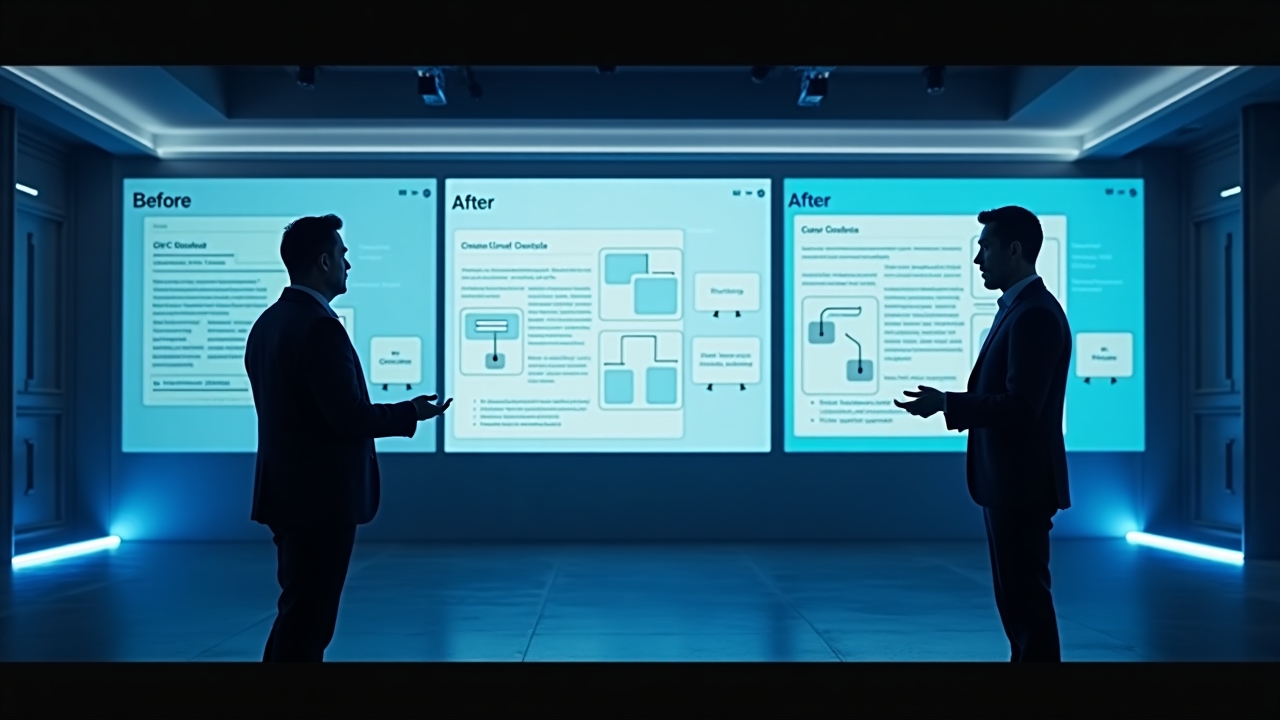
Web3 technologies promise a new paradigm of digital ownership and user agency, but their current interfaces often present significant barriers to mainstream adoption. Cryptocurrency wallets, the primary gateway to blockchain interactions, frequently overwhelm users with technical complexity and unfamiliar concepts. At Leadgo, we've been pioneering UX patterns that reduce this cognitive load while maintaining the security and decentralization principles that make Web3 valuable.
The Web3 UX Challenge
Web3 interfaces face unique challenges that traditional web applications don't encounter:
- Novel Mental Models: Blockchain concepts like private keys, gas fees, and transaction finality require new mental models that most users don't possess.
- High-Stakes Interactions: Mistakes in Web3 can have significant financial consequences, with many actions being irreversible.
- Technical Terminology: The language of Web3 is filled with specialized terms that create barriers for newcomers.
- Cross-Chain Complexity: The proliferation of different blockchains adds additional cognitive load as users navigate between networks.
- Security Responsibilities: Web3's self-custody model shifts security responsibilities to users in ways they may not be prepared for.
These challenges have led to interfaces that often cater to technical early adopters while alienating mainstream users. The result is products that are powerful but inaccessible, limiting the potential reach and impact of decentralized technologies.
Principles for Reducing Cognitive Load
Through our work on multiple Web3 applications, we've developed core principles for creating more intuitive blockchain experiences:
1. Progressive Disclosure of Complexity
Web3 interfaces should reveal technical complexity progressively, starting with familiar concepts and gradually introducing blockchain-specific elements as users build confidence. This doesn't mean hiding critical information, but rather structuring it in layers that users can explore as needed.
2. Contextual Education
Rather than requiring users to learn blockchain concepts separately, embed educational elements directly into the interface at the point where they become relevant. This just-in-time learning approach helps users build mental models through practical application.
3. Familiar Patterns with Web3 Adaptations
Build on interaction patterns users already understand from Web2, adapting them thoughtfully for blockchain requirements. This creates bridges between familiar experiences and new concepts, reducing the learning curve.
4. Visual Confirmation for Critical Actions
Use visual design to highlight critical information and confirm user understanding before irreversible actions. This is especially important for transaction signing, where users need to clearly understand what they're authorizing.
5. Consistent Terminology and Visualization
Develop consistent ways to represent blockchain concepts visually and verbally, helping users transfer understanding across different parts of the application and building cumulative knowledge.
Case Study: Multi-chain Wallet Redesign
We recently redesigned a multi-chain cryptocurrency wallet that was struggling with user adoption despite its technical capabilities. Our research identified several key issues:
- Users were overwhelmed by technical blockchain details presented during basic tasks
- Transaction signing screens failed to clearly communicate what was being authorized
- Cross-chain transfers required understanding of complex bridging mechanics
- Security features were powerful but confusing, leading to risky workarounds
- Error messages used technical blockchain terminology without clear resolution paths
Our Solution
We redesigned the wallet experience using our cognitive load reduction principles:
- Simplified Home Experience: We created a clean, focused home screen that emphasized current balances and common actions, with technical details available but not prominent.
- Transaction Clarity: We redesigned transaction signing to highlight the most important information (amount, recipient, cost) while making technical details available in an expandable view.
- Guided Cross-chain Actions: We developed a step-by-step flow for cross-chain transfers that explained the process in simple terms and visualized the movement of assets between networks.
- Security Through Design: We redesigned security features to use progressive disclosure, with basic protection by default and advanced options available but not overwhelming.
- Human-centered Error Handling: We rewrote error messages to focus on what happened and how to fix it, using everyday language while still providing technical details for those who needed them.
Results
The redesigned wallet experience led to:
- 53% increase in new user retention after one week
- 41% reduction in transaction errors and failed attempts
- 68% increase in users successfully completing cross-chain transfers
- 37% reduction in support tickets related to basic functionality
- Significant increase in users enabling advanced security features
Key Patterns for Web3 Wallets
Through our work on multiple blockchain applications, we've developed several specific UX patterns that consistently improve the Web3 experience:
1. Wallet Connection Clarity
When connecting to decentralized applications, clearly communicate what permissions are being requested and why. Use visual design to distinguish between read-only connections and those that can initiate transactions, helping users build appropriate mental models of security.
2. Transaction Preview Cards
For transaction signing, create visual "preview cards" that show the expected outcome of the transaction in human terms before presenting technical details. For token transfers, this might show the before and after balances; for swaps, it would visualize the exchange of assets.
3. Gas Fee Explainers
Transform abstract gas fee concepts into contextual explanations tied to the specific action being taken. Include visual indicators of network congestion and fee trends, with plain-language explanations of how fees impact transaction speed and reliability.
4. Network Switchers
Create clear visual indicators of the current blockchain network and streamlined switching interfaces that explain differences between networks in functional rather than technical terms. Use consistent visual language to help users recognize which network they're on across different parts of the application.
5. Security Layers
Implement security features in layers, with sensible defaults that protect most users while allowing progressive access to more advanced options. Use contextual education to help users understand security tradeoffs without overwhelming them with technical details.
Conclusion
Creating intuitive Web3 experiences doesn't require compromising on security or decentralization principles. By thoughtfully applying UX patterns that reduce cognitive load, we can make blockchain technology accessible to mainstream users while preserving the core values that make it powerful.
The future of Web3 depends not just on technical innovation but on experience design that bridges the gap between blockchain's capabilities and users' needs. By focusing on reducing cognitive load through progressive disclosure, contextual education, and thoughtful visualization, we can create interfaces that make decentralized technologies accessible to everyone, not just technical early adopters.